How to Spot a Phishing Email in 30 Seconds
FX TechPulse Editorial · November 4, 2026
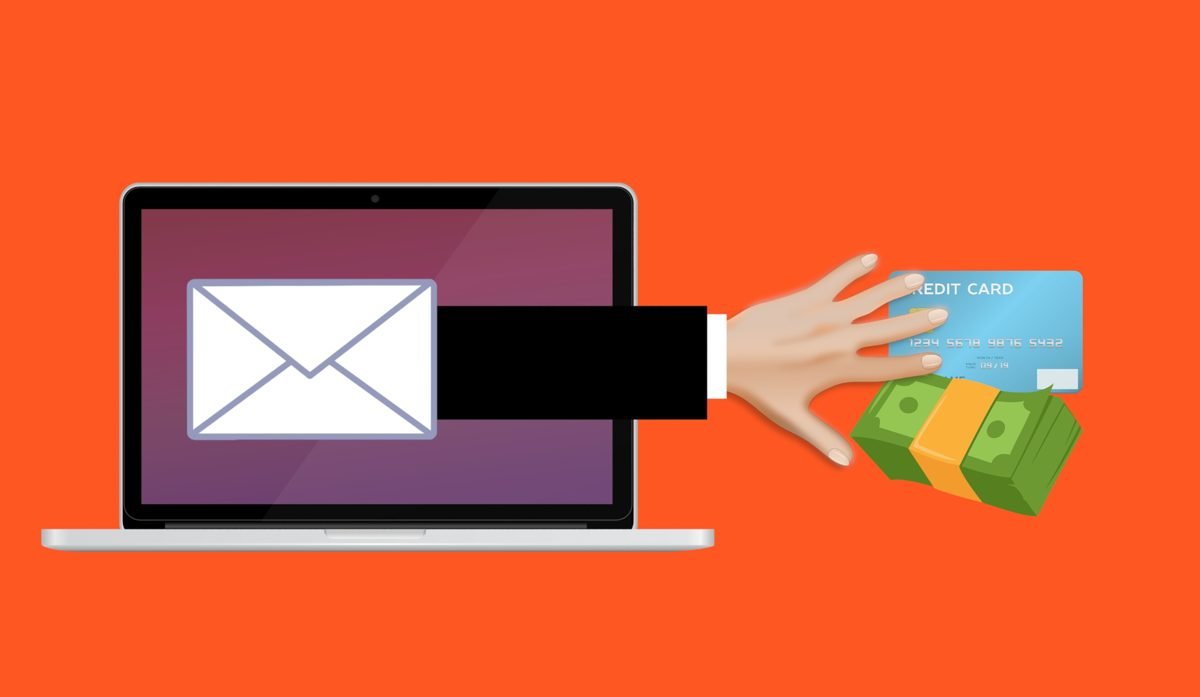
Phishing messages pretend to come from a bank, a delivery company or your employer to trick you into clicking a link or sharing information. Scammers rely on speed and fear, so the best defense is to slow down for a few seconds and check.
The quick checklist
- Urgency or threats: "Your account will be closed in 24 hours" is a classic pressure tactic.
- Unexpected requests: a message asking for a password, a code or a gift card purchase is a red flag.
- Sender mismatch: the display name says "Your Bank" but the address is a random domain.
- Odd links: hover over a link (without clicking) and look at the real destination. Misspelled domains such as "paypa1" are common.
- Generic greetings and strange wording, although well-written scams exist too.
- Unexpected attachments, especially zip files or documents asking you to enable macros.
What to do instead of clicking
Open the company's official website or app by typing the address yourself, or use a saved bookmark. If there is a real problem with your account, you will see it there. For work email, forward suspicious messages to your IT or security team.
If you already clicked
Do not panic. Change the password of the affected account right away from a different, trusted device, turn on two-factor authentication, and check recent activity. If you shared banking details, call your bank using the number on your card.
No filter catches everything. A habit of pausing before you click stops most attacks.
About this article. Written and reviewed by the FX TechPulse editorial team. General information only, not professional advice. Read our editorial policy. Spotted a mistake? Tell us.